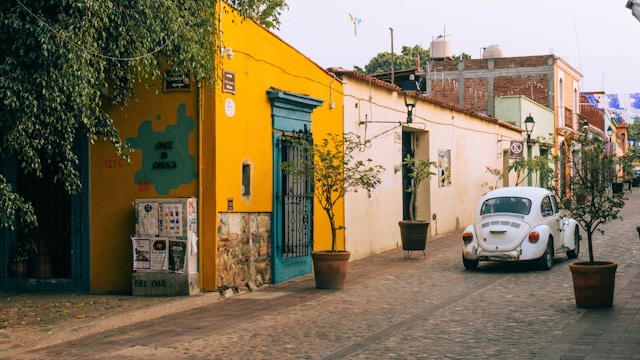
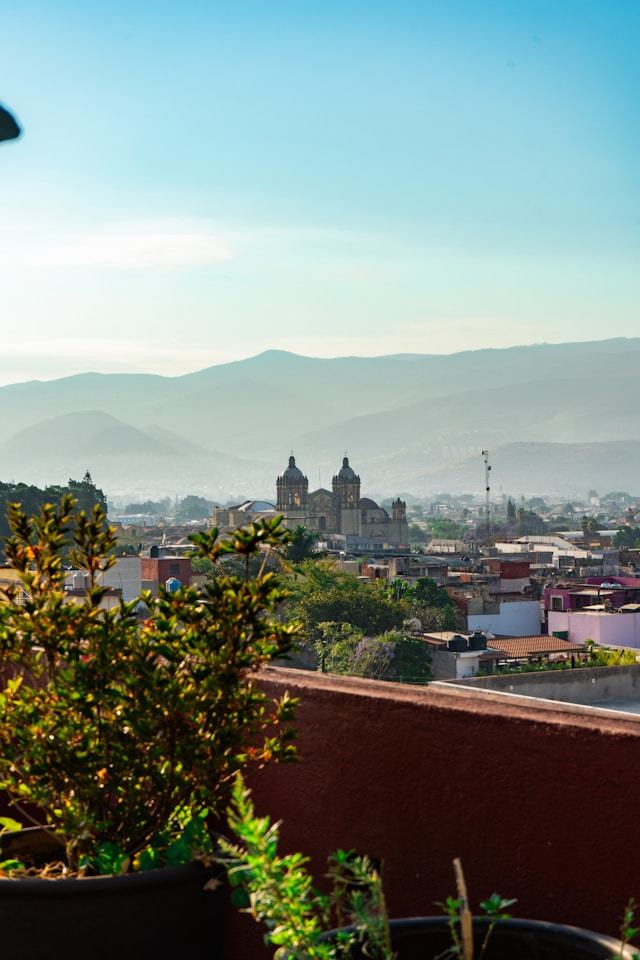
Many people travel to Oaxaca, Mexico for the food. The moles, the tlayudas, the mezcal. But beneath the vibrant culinary story is an even older tale.
Oaxaca officially recognizes sixteen indigenous groups in the region, more than almost anywhere in Mexico. Among the largest are the Zapotec, who built Monte Albán, the mountaintop capital inhabited by a succession of peoples across 1,500 years and now a UNESCO World Heritage site.Their roots in the valleys reach back roughly 2,500 years. Despite centuries of disruption, the sacred healing practices remain.
.jpg)
The Healing Practice: Temazcal
Sweat lodges are becoming a more globally recognized and sought after healing experience, but the ancient practice of temazcal is more than a sauna with a backstory. Temazcal comes from the Nahuatl word temazcalli, meaning house of heat or steam. Often made of adobe or stone, the low domes were traditionally heated by placing hot volcanic rock in the center. Water infused with medicinal herbs is poured over the rocks to raise steam, while copal resin may burn in the air as incense. Ceremonies can run an hour or longer. A guide typically manages the heat, leads song and prayer, and keeps watch over each person inside.
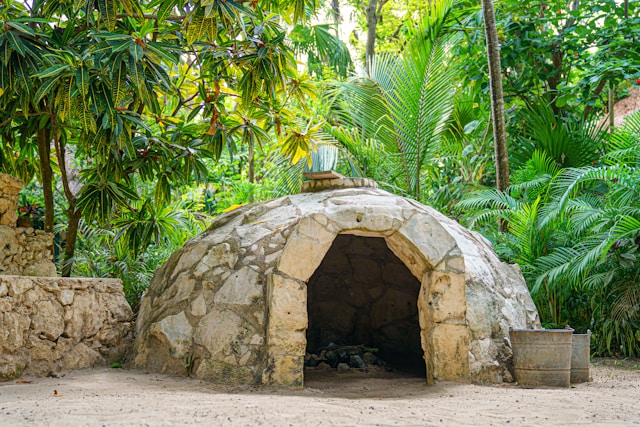
Across Mesoamerica, temazcal were part of sacred rituals for millennia. Births took place here. Warriors entered before and after battle. The dome itself represents the womb of Mother Earth, and emerging from it considered a rebirth. Despite suppression during Spanish colonialism, it survived because of families who kept building and tending to the temazcales. In the Valles Centrales, the ceremony honors the four elements of earth, water, air, and fire, a framework the Zapotec have carried through centuries of disruption.
There is a real distinction in Oaxaca between temazcales run by families within the tradition and versions repackaged for the resort market. Both exist. Seek out the first to support local and have the truest experience. If you are lucky enough to experience this practice, expect to be received slowly. There may be tea, an explanation of the elements, a blessing before you enter. You will sweat more than you thought possible. Afterward there is usually a cooling period of rest, something warm to drink, and a particular sense of stillness that is hard to come by.
Ask your hotel or a trusted local guide to make the introduction, read recent visitor accounts closely, and choose a family whose practice is rooted in tradition. Bring water, a towel, and a sweater for the ride back. Arrive hydrated and unhurried. This is a ceremony, and it deserves a guest who treats it as one.
Exploring Oaxaca
Oaxaca is rich in history, culture, and sites to visit.
Jardín Etnobotánico. The garden holds hundreds of native species spanning the state's deserts, forests, and tropical lowlands, each tied to how Oaxacans have eaten, healed, and created for thousands of years. Grown from a campaign led by the late artist Francisco Toledo, who fought to turn a former army barracks into a living collection of native plants instead of a parking lot.
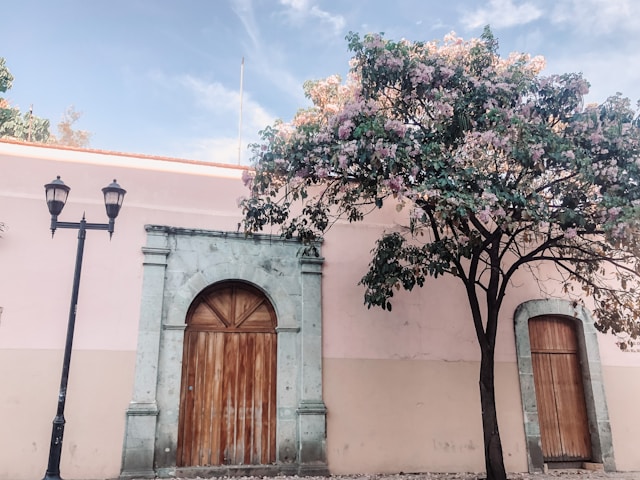
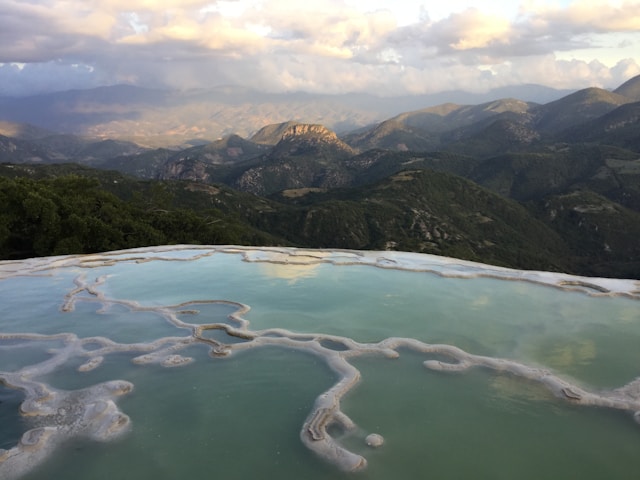
Hierve el Agua. About 70 kilometers east of the city, are white mineral formations that pour down the cliffs like waterfalls frozen mid-fall. Spring water saturated with calcium carbonate built them over thousands of years, and it still feeds the swimming pools at the cliff edge, some natural and others built by hand. The Zapotec engineered irrigation canals and terraces here as many as 2,500 years ago, and you can still trace them across the hillside.
On Traveling This Place Well
Go slowly. Hire local guides. Eat where the owners are still in the kitchen. Spend your money in the markets, the mezcalerías, and the weaving cooperatives of Teotitlán. A thoughtful traveler leaves a place better funded and more understood. These days the flights are easier, the boutique hotels more numerous, and instagram presence is growing. None of that makes the city less extraordinary, but it does require a certain kind of attention from the traveler who wants to engage with it honestly. Travel to Oaxaca and it will give you more than you came for. It has been doing that for two and a half thousand years.