
In the summer of 1996, a handful of superyacht crews tied up in Palma de Mallorca and threw a party on the dock. Someone had the idea to race. Thirty years later, that party is the longest-running superyacht regatta in Europe, and this June it drew the largest fleet it has seen in almost two decades.

If you have never heard of the Superyacht Cup Palma, you are in good company, and that is partly by design. This is not the America's Cup, with its billion-dollar syndicates and television deals. It is something rarer: a gathering built around the owners themselves, many of whom take the helm rather than watch from a chase boat, racing forty-meter yachts in the same bay every June for the simple reason that they love it. Sailing people describe it the same way, year after year. Serious racing, unserious atmosphere. A regatta that never forgot it began as a party.
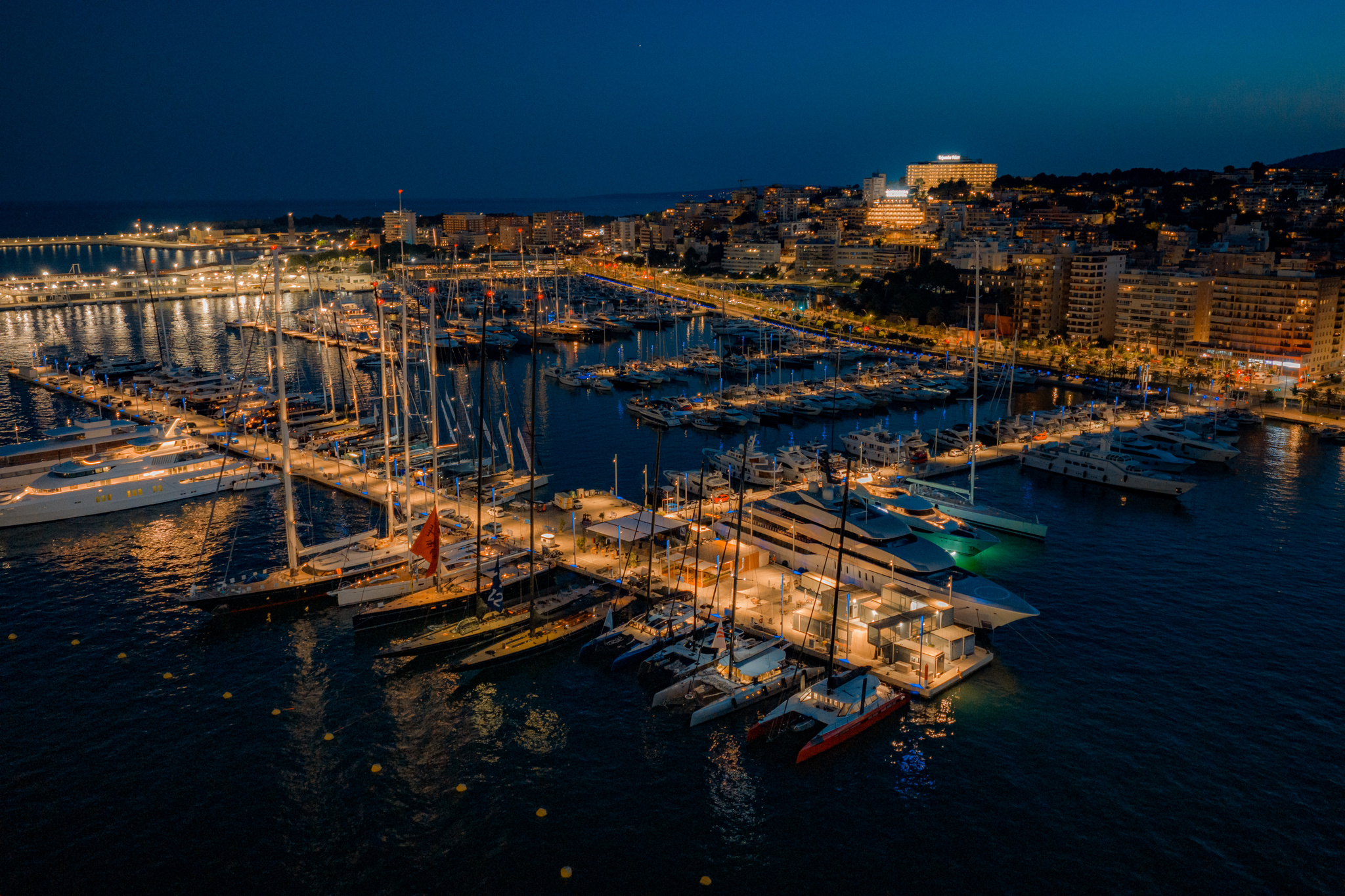
The setting explains a lot. Palma sits on the south coast of Mallorca, the largest of Spain's Balearic Islands, and its bay is one of the most reliable racecourses in the Mediterranean. A thermal sea breeze builds most summer afternoons like clockwork, the water is deep and open, and the Tramuntana mountains frame the whole scene from the north. Palma is also the working capital of the sailing superyacht world. The island's yards refit many of the largest sailing yachts afloat, which means the boats, the crews, and the expertise were already here. The Cup gave them all a reason to race.
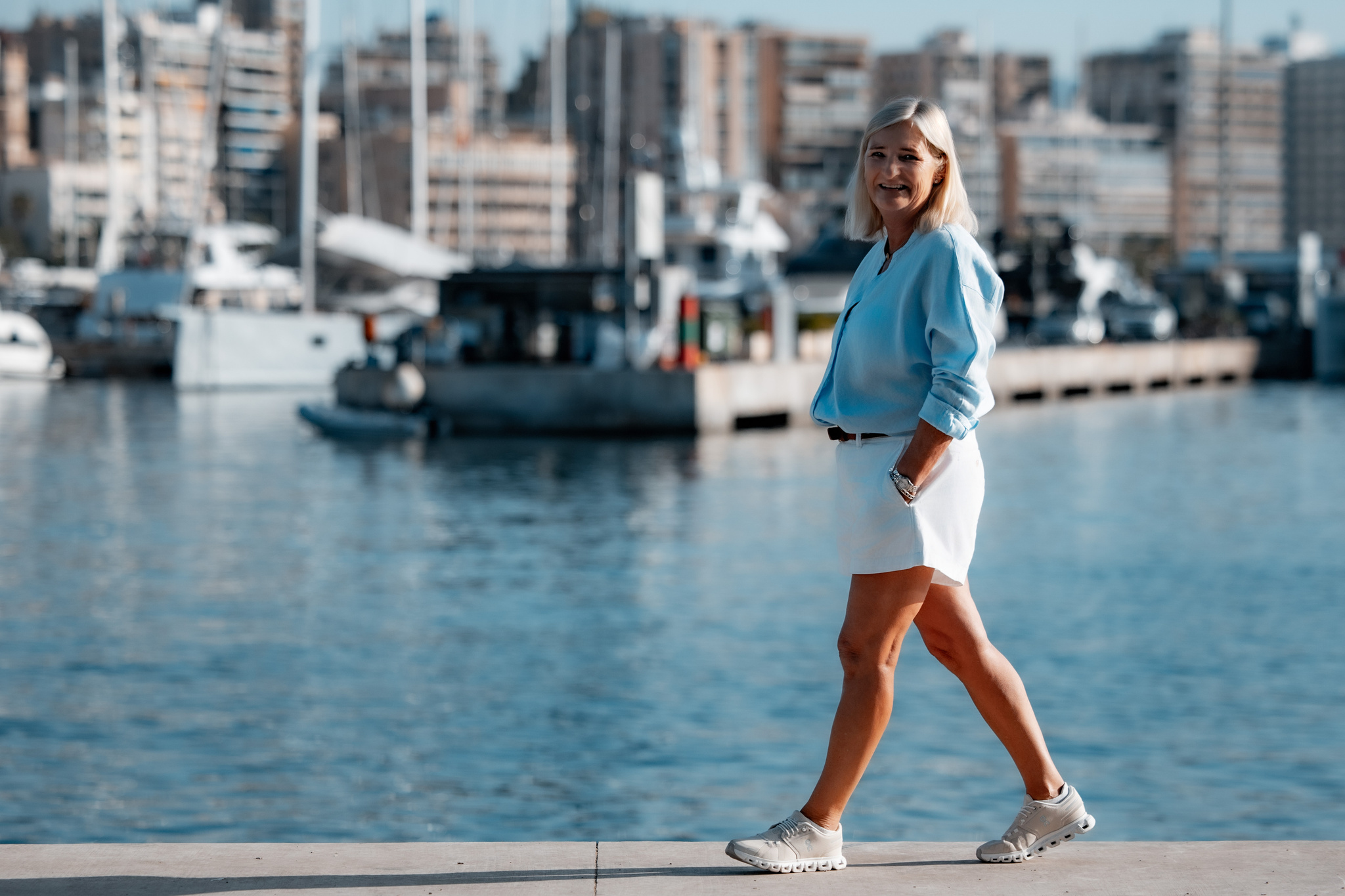
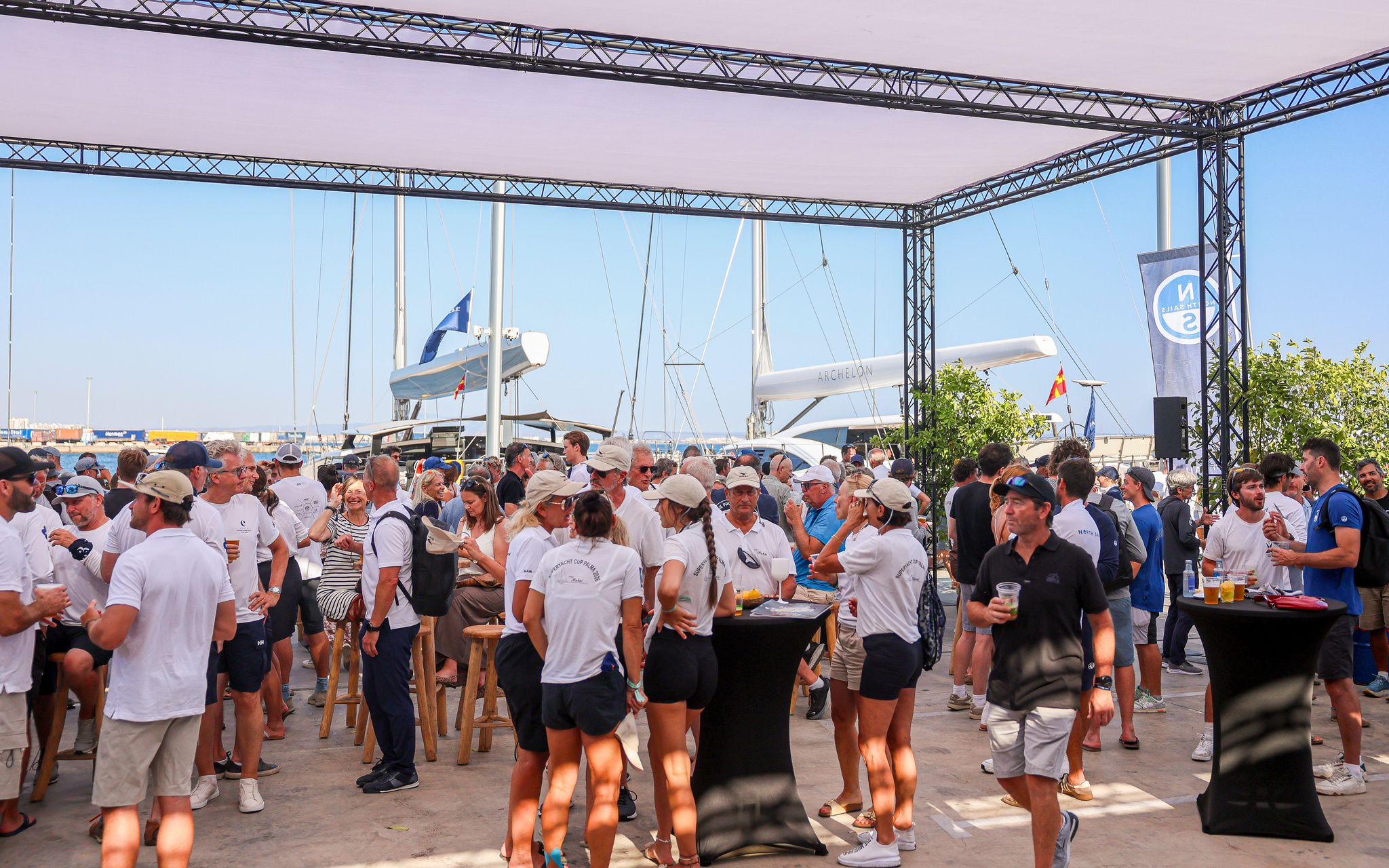
The event grew the way good traditions do, slowly and by word of mouth. Over three decades it has drawn more than 200 of the world's most prestigious sailing yachts to the bay. Since 2013 it has been owned and directed by Kate Branagh, whose stewardship has kept the formula intact while the fleet evolved around it: racing managed by the Real Club Náutico de Palma, one of Spain's great yacht clubs, and a shoreside program that runs on cocktail parties and dockside prize givings rather than velvet rope.
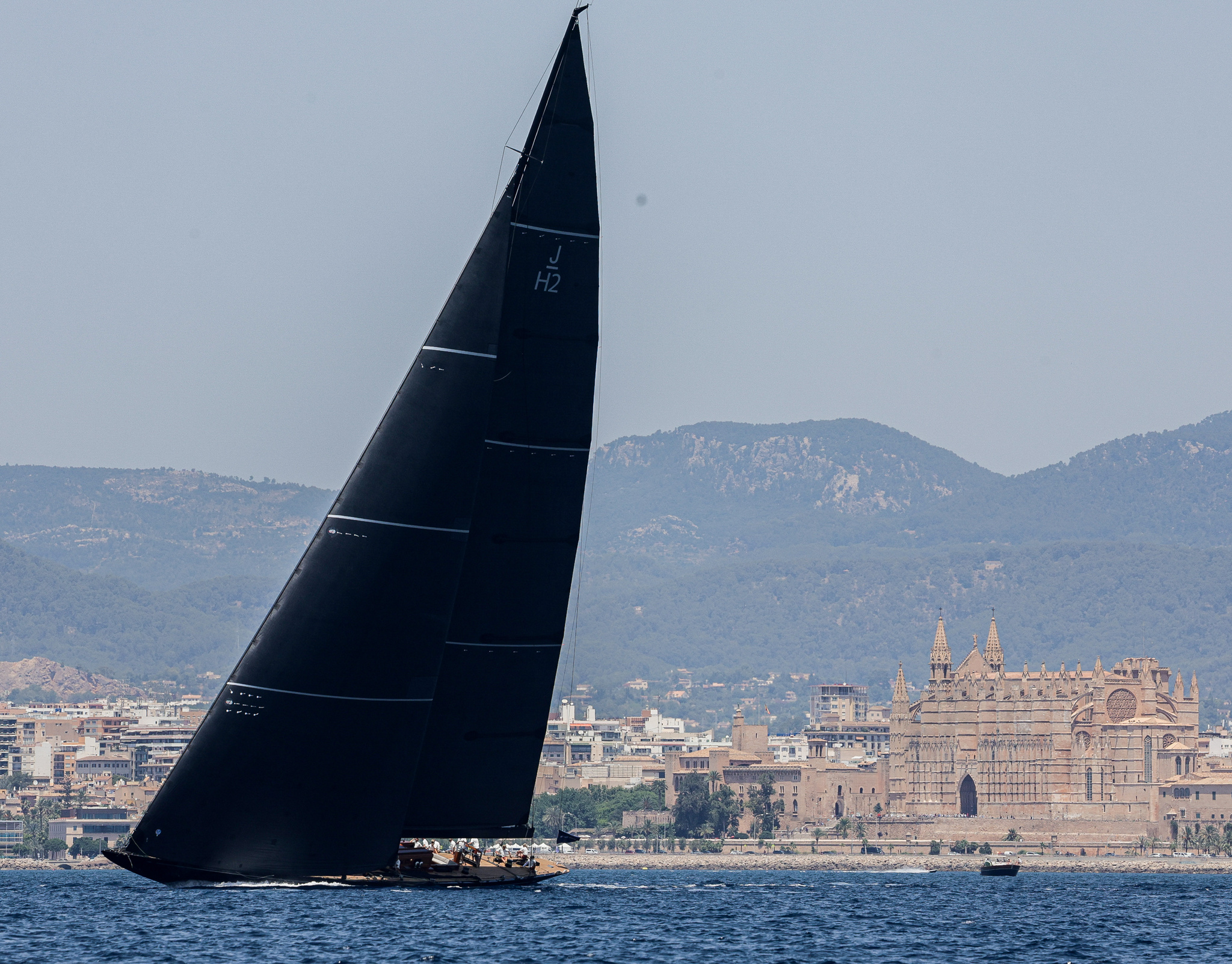
Then there are the boats, and one class above all. The J Class yachts are the great romantic figures of sailing, towering single-masted sloops first drawn for the America's Cup duels of the 1930s, then lost to war and scrapyards, then resurrected decades later as rebuilds and faithful replicas. When one of them races, nearly a century of history heels over with her. The Cup has become one of the few places on earth where they still meet.

This year, the 30th edition, two of them came to fight. Svea, the Swedish-flagged giant, faced Rainbow, a modern rebuild of the 1934 America's Cup winner, racing her first regatta under a new owner. For four days in late June they match-raced across the bay, trading the lead through breeze that swung from six knots to twenty. Svea broke a piece of hardware and missed a start. Rainbow, alone on the course, sailed it hard anyway and took the first race win of her young life. Svea repaired, returned, and won the class by two points. The rivalry resumes in Saint-Tropez in September, and it already has the feel of something that will run for years.
.jpg)
The bigger story of the week belonged to a 33-meter sloop named Win Win. Twenty-four yachts entered this anniversary edition, a sold-out fleet racing across five divisions, including a first-ever multihull class. Win Win entered as a two-time champion whose titles, in 2016 and 2019, had started to recede into history. She is also a local. Palma is her home port, her owner has raced this bay since before some of his crew joined the sport, and the team returns almost unchanged season after season. This June they won every race they sailed, sealing the final one by fifty-four seconds, and lifted the Cup for a third time. Only one other yacht has ever done that. When the skipper was asked for the secret afterward, he pointed to the crew list, the same names, year after year.
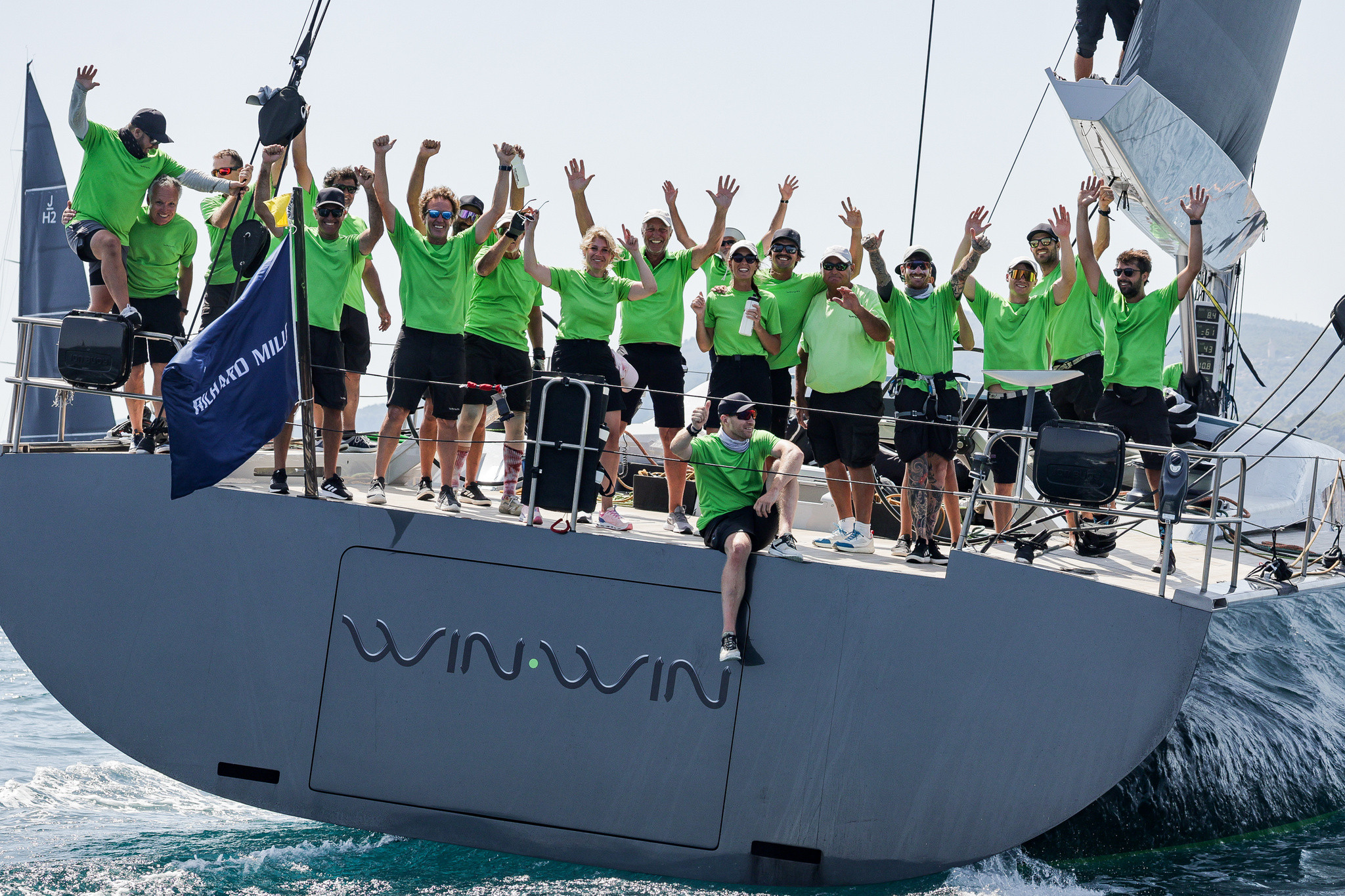
That answer is the reason this event belongs in a wellness publication. Strip away the carbon masts and the champagne and what remains is a thirty-year experiment in returning: to the same water, the same rivals, the same long table after racing, every June, for decades. The sailing itself is genuinely athletic, hours of grinding and trimming under sun and load. But the durable thing here is the ritual. The regatta that started as a dock party kept its people, and its people kept it alive.
The 2027 edition runs June 23 to 26. Watch the fleet from the shore at least once, and you will understand.
The Details
The Superyacht Cup Palma: founded 1996, the longest-running superyacht regatta in Europe, held every June in the Bay of Palma, Mallorca, Spain
2026 edition: the 30th race, held 24 to 27 June under new title partner Richard Mille, with a sold-out fleet of 24 yachts entering the competition in five divisions, the largest gathering in almost two decades
Overall winner: Win Win, 33m Baltic Yachts sloop and Palma local, claiming her third title (2016, 2019, 2026), only the second yacht ever to win three times
J Class: Svea over Rainbow by two points after three days of match racing
Race management: Real Club Náutico de Palma (RCNP); event owned and directed by Kate Branagh since 2013
Venue: Club de Mar-Mallorca, central Palma, with the full fleet berthed together stern-to
Website: thesuperyachtcup.com/en
All photography courtesy of The Superyacht Cup Palma, copyright, Sailing Energy.