

The Pacific sits at 58 degrees at La Jolla Cove in May. Most mornings, a small group enters the water anyway. They do not linger on the beach contemplating the temperature, they just go in.
The Surfrider Foundation was founded in Malibu in 1984 by a group of surfers who were tired of watching the coastline they loved degrade. In forty years it has grown to more than 180 chapters across the United States, with San Diego among its most active. The chapter's work is the practical expression of something the WCG reader already holds as a value: that the ocean is not just a backdrop.
What the Chapter Does
The San Diego chapter runs regular beach cleanups along the county's coastline, from Ocean Beach to Del Mar and south through Imperial Beach. The cleanups are free, open to anyone, and require nothing but showing up. They typically run ninety minutes and collect dozens of pounds of debris per session.
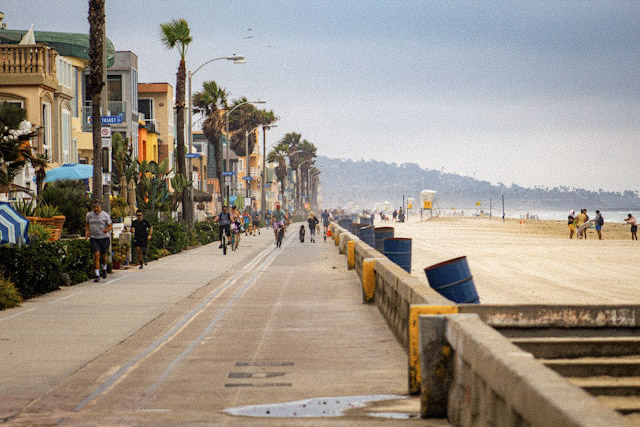
Beyond cleanups, the chapter advocates on policy issues including water quality, plastic pollution, coastal development, and offshore energy. It has been active in campaigns that have resulted in measurable water quality improvements at San Diego beaches and in state-level legislation addressing single-use plastics. The chapter also runs the Blue Water Task Force, a volunteer water quality monitoring program that tests beach water samples and publishes results in real time. When your local beach is flagged after rain, that data often comes from Surfrider volunteers who collected samples before sunrise.
Why Beaches Need This
San Diego County receives roughly 1.5 billion gallons of urban runoff annually. Storm drains carry motor oil, pet waste, fertilizer, and trash directly to the ocean. The county's beaches are closed periodically after storms due to bacterial contamination, as tracked by the San Diego County Department of Environmental Health. The Surfrider Foundation's water quality monitoring makes those closures based on data rather than guesswork, and its advocacy work has pushed for infrastructure improvements that reduce the problem at its source.
It's not glamorous work. It happens on early mornings, in public comment periods, and in committee meetings that most people never attend. It is also exactly the kind of work that keeps a coastline worth surfing, and keeps our precious marine ecosystems healthy.

How to Get Involved
The San Diego chapter lists upcoming cleanups and events at surfrider.org/chapters/san-diego. First-time volunteers need nothing but a passion for the ocean and a community spirit.