
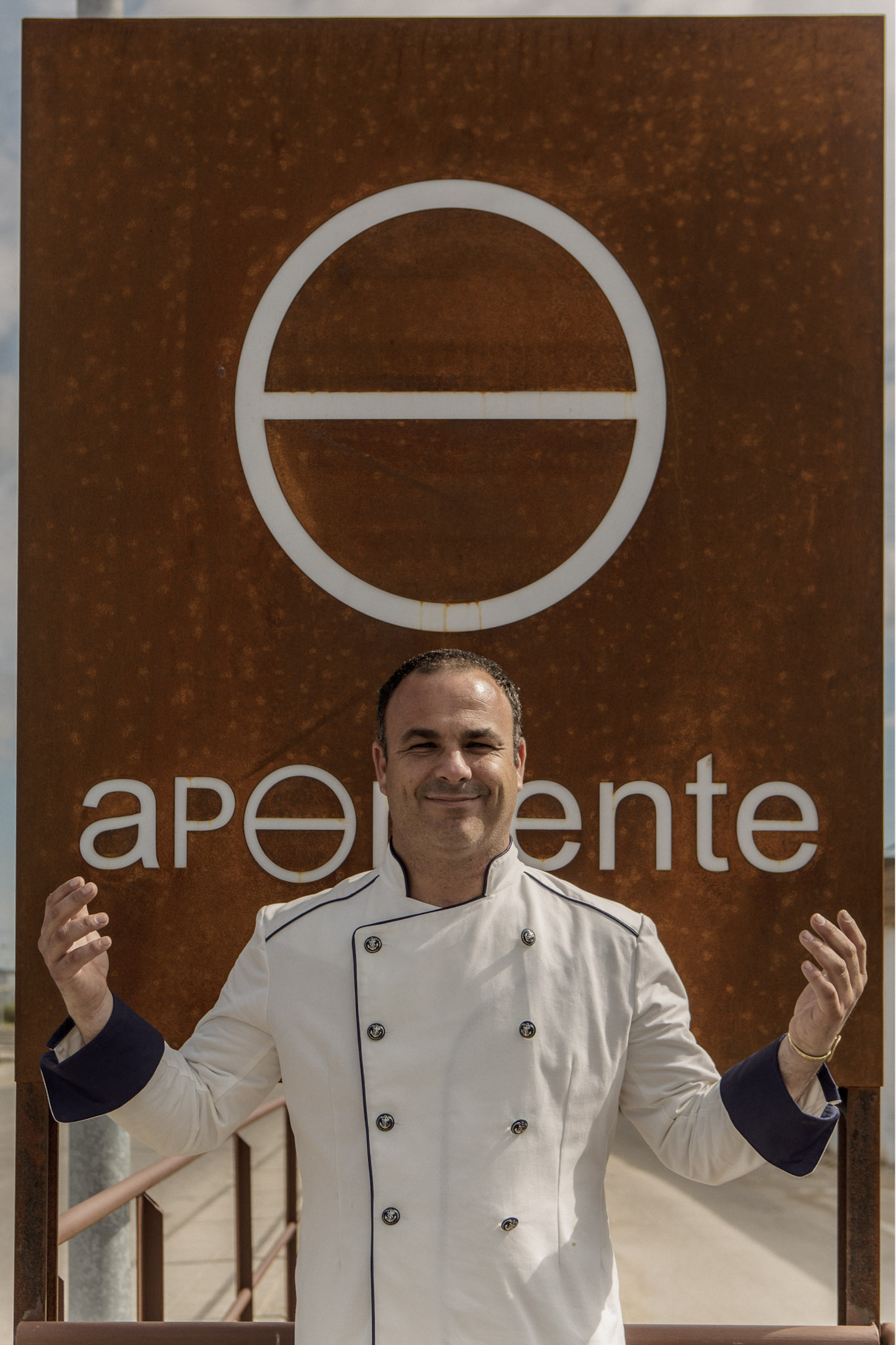
The Spanish salt marshes stretch toward the Bay of Cádiz, flat and silver in the morning light. In an old tidal mill building, a kitchen is doing something that would have seemed impossible twenty years ago: turning plankton, discarded fish parts, and eelgrass seeds into one of the most celebrated meals in the world.
Ángel León has been called the Chef of the Sea. He prefers to think of himself as its student. Since opening Aponiente in El Puerto de Santa María in 2007, León has spent nearly two decades asking a single question: what does the ocean have that we haven't bothered to look at? The answer, it turns out, is almost everything.
The Pantry Below the Surface
Most restaurants source from the ocean by taking what is already valuable. León sources from it by finding what has been overlooked. Mackerel sobrasada. Sea bass mortadella. A tuna tail prepared as ossobuco. Hake collagen drawn into noodles. None of these existed as culinary categories before Aponiente invented them.
The flagship discovery is plankton. In 2014, León worked with the European Union to authorize marine phytoplankton as a novel food ingredient, the first such authorization ever achieved by a Spanish chef. He farms it sustainably in tanks, freeze-dries it, and uses it to create a flavor that tastes like the ocean in its purest state. A kilogram costs three thousand euros to produce. It is not a luxury product in the conventional sense. It is something rarer: a flavor that had never existed on a plate before León put it there.
More recently, his research has turned to eelgrass, a coastal marine plant that grows in salt-water meadows, requires no freshwater irrigation or pesticides, sequesters significant amounts of carbon dioxide, and produces a grain that behaves like rice. León has cultivated it and served it. The implications extend far beyond his dining room.
Ethics as Architecture
Aponiente holds three Michelin stars and the inaugural Michelin Green Star for sustainability, the first restaurant in the world to receive that distinction. The restaurant's operating philosophy begins with the marshes it sits beside. More than 5,000 hectares of ancient salt pans, worked by hand since Phoenician times, sit empty in the Bay of Cádiz. León's kitchen is partly an argument for why they should not. By building a cuisine from what those marshes produce, he makes a case for their economic and ecological value that no environmental report could make as vividly.
The kitchen uses only local suppliers and sources tuna exclusively through traditional Almadraba methods. It partners with BirdLife International and the Mava Foundation to restore salt pans and develop integrated aquaculture systems. In 2023, the FAO named León a Food Hero for his work promoting sustainable sea gastronomy. Since opening, Aponiente has unveiled more than forty previously unused ingredients from the sea.
This is not a restaurant that talks about sustainability. It is a restaurant that has reorganized its entire existence around demonstrating what sustainability looks like when treated as a creative constraint rather than a marketing claim.
.jpg)
The Meal Itself
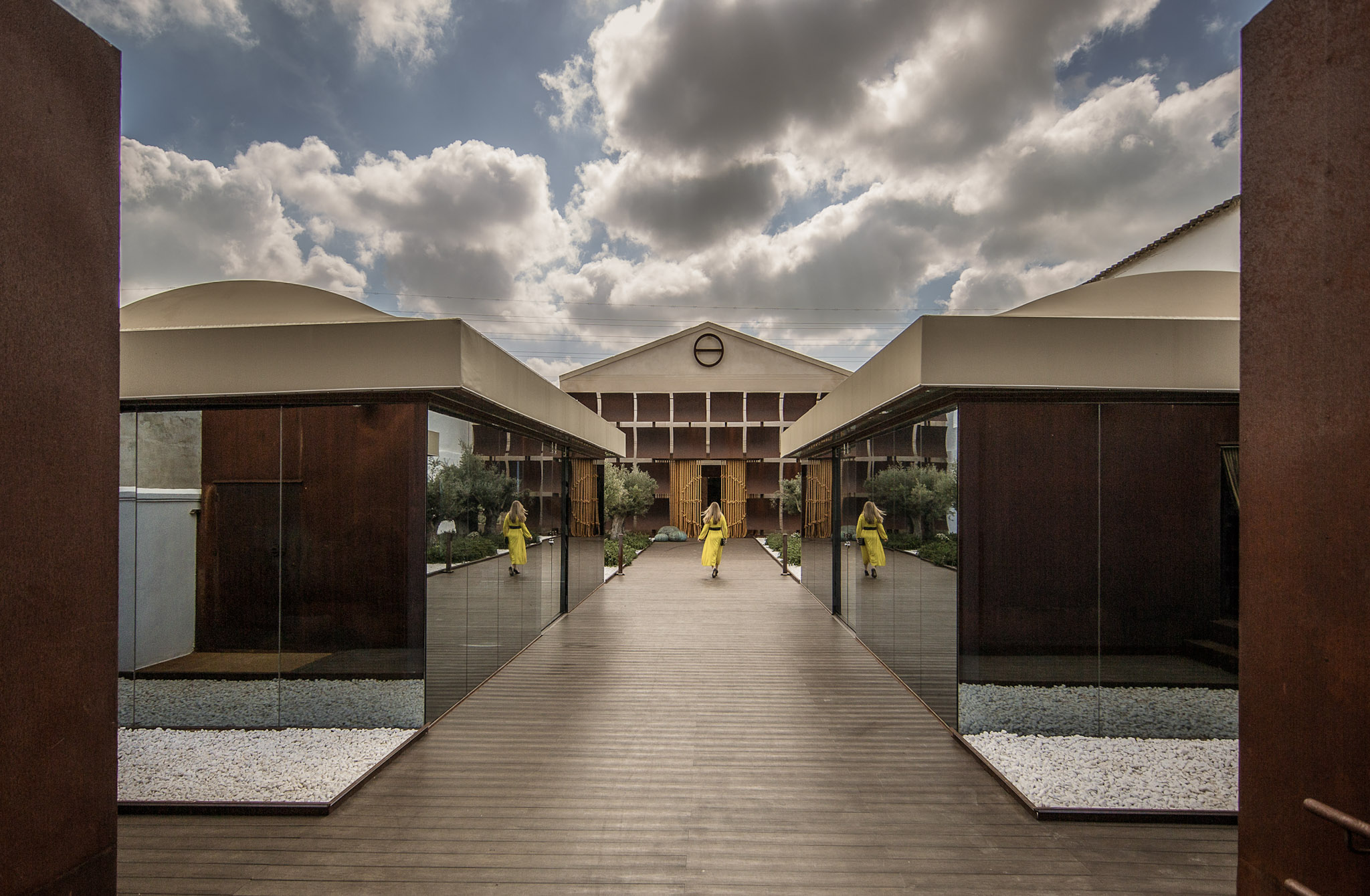
Dinner at Aponiente is a twenty-two course journey through León's current thinking. The restored nineteenth-century tide mill overlooks salt marshes that appear, from the right angle, to merge with the sea itself. A tour of the rooftop herb gardens precedes the meal. The kitchen operates with the quiet intensity of a research laboratory, because in many ways it is one.
The question that drives Aponiente is also the question driving the most important conversations in food right now: what can we eat in a way that doesn't accelerate the collapse of the systems that feed us? León's answer is to look at the ninety percent of the ocean that has been commercially ignored and ask what it offers.
That combination of genuine pleasure and genuine conscience is rarer than three Michelin stars.