
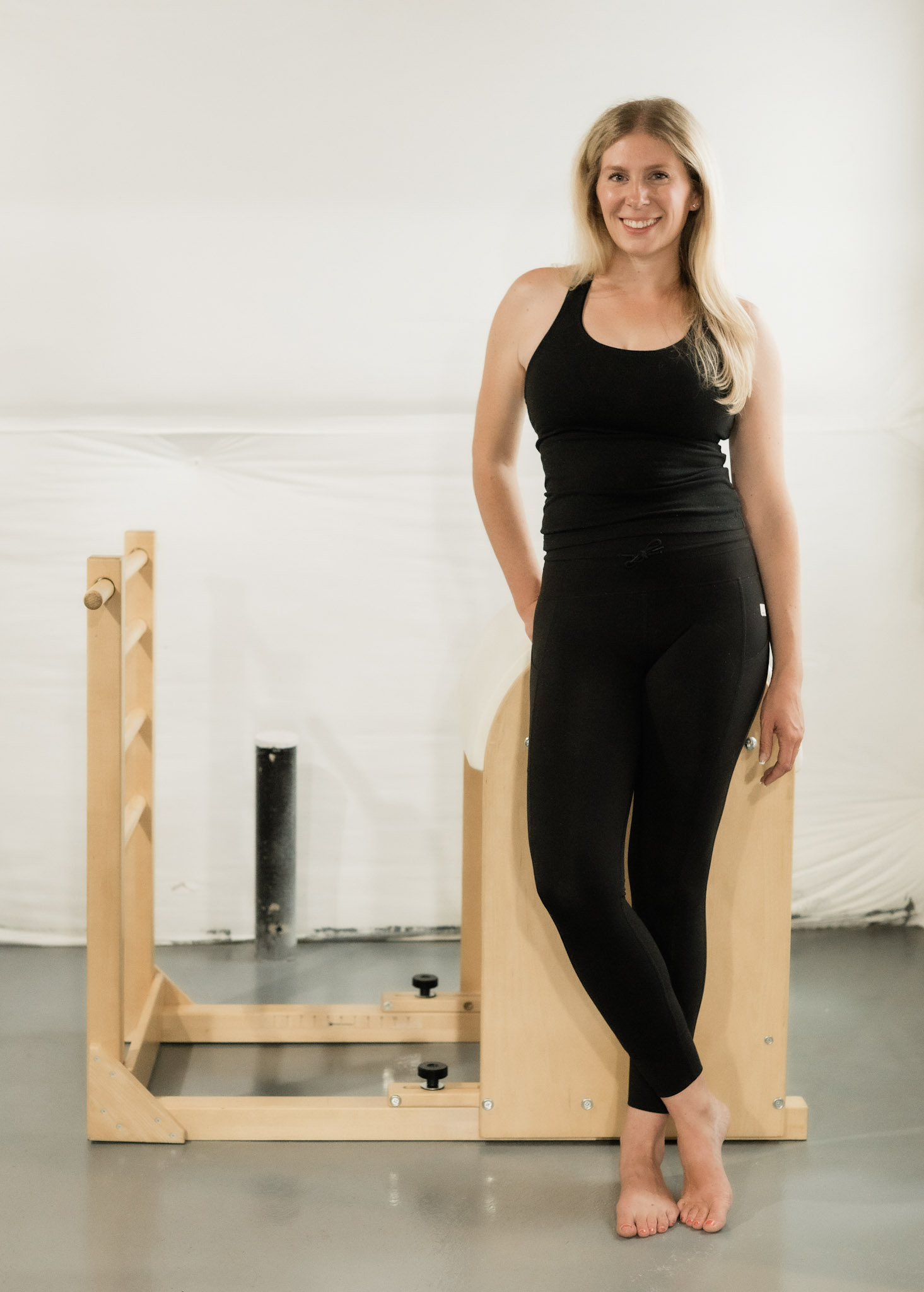
Most people have heard of Pilates. But they are likely less familiar with its origin. Joseph Pilates started developing his method as early as 1912. He initially named his system of exercise, “Controlology.” While born in present day Germany, he eventually moved to New York City, where he taught in his famous studio from the 1920’s to 1960’s.
While Pilates was meant to inspire a general way of living, it is also a bit of an independent pursuit. Yet it is highly encouraged to seek out instruction from advanced trainers throughout your journey to both guide form and provide challenges when necessary.
The Method
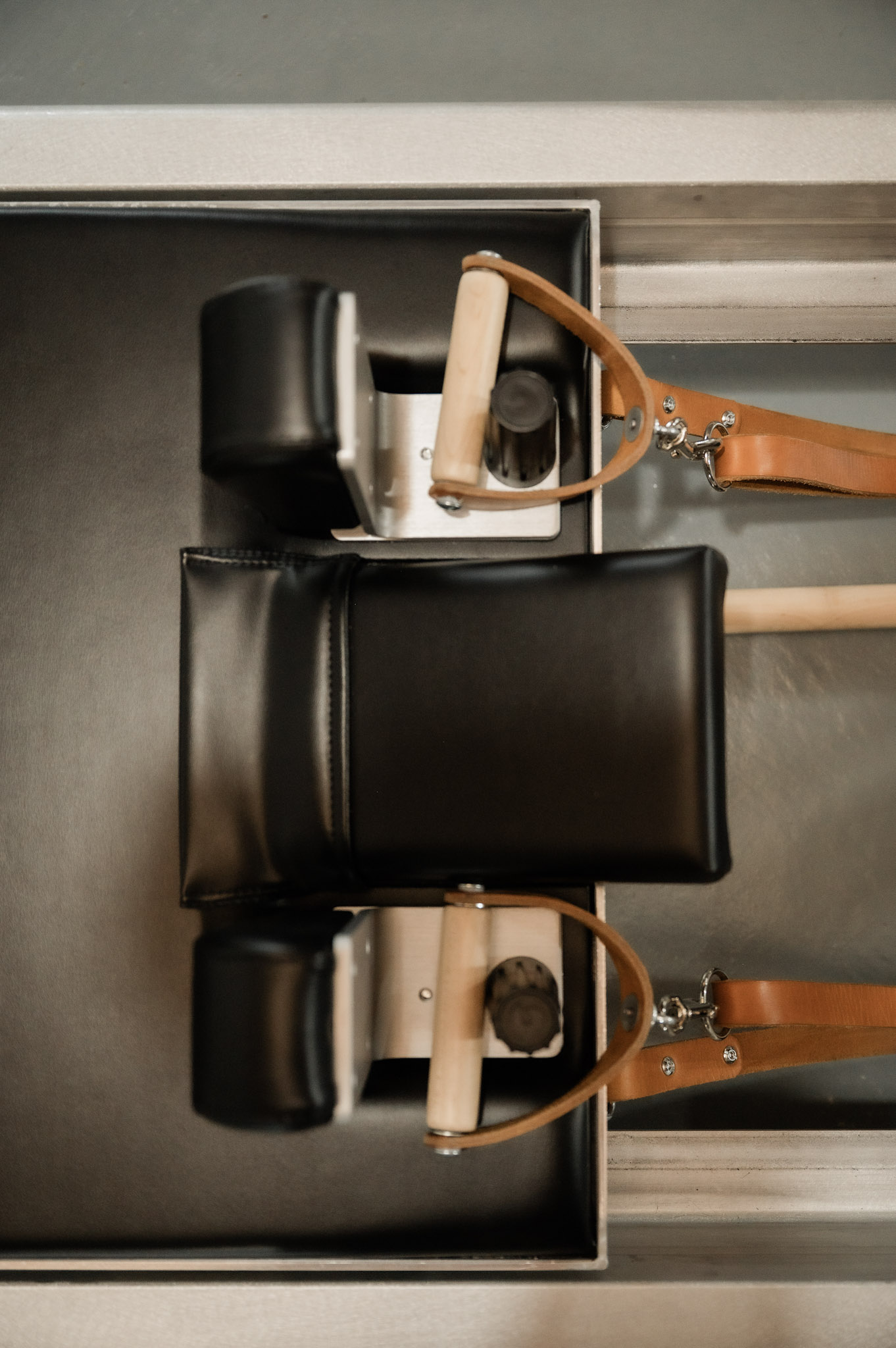
Pilates often focuses on the “center” of the body, though every exercise is considered full body. When students would ask Joseph what each exercise was for, his response would be, “the body!” Sandy Shimoda, owner of Vintage Pilates, teaches that Pilates is corrective exercise. The work uniformly develops the body. With every full body exercise, the body “un-learns” compensations often developed from an injury or from isolating body parts during other types of exercise.
Pilates is best taught on a diverse set of equipment. Much more than simply a reformer or mat. Full studios may be equipped with the cadillac, tower, wunda chair, baby arm chair, ladder barrel, spine corrector, push up devices, and more. As you progress through the system, you’ll notice that certain exercises re-appear on various pieces of equipment, and even within other exercises. And this is where true learning begins.
The Swan
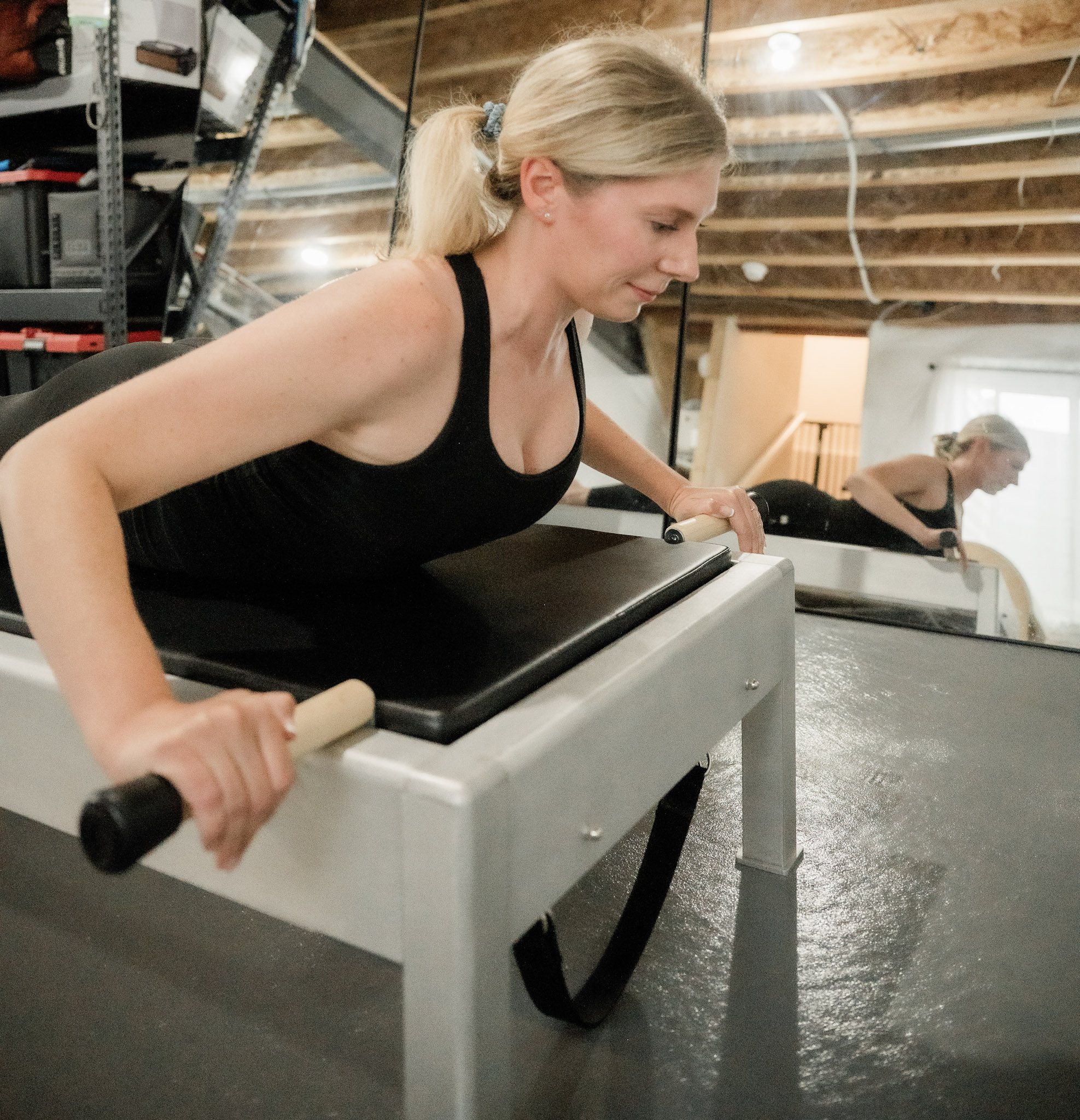
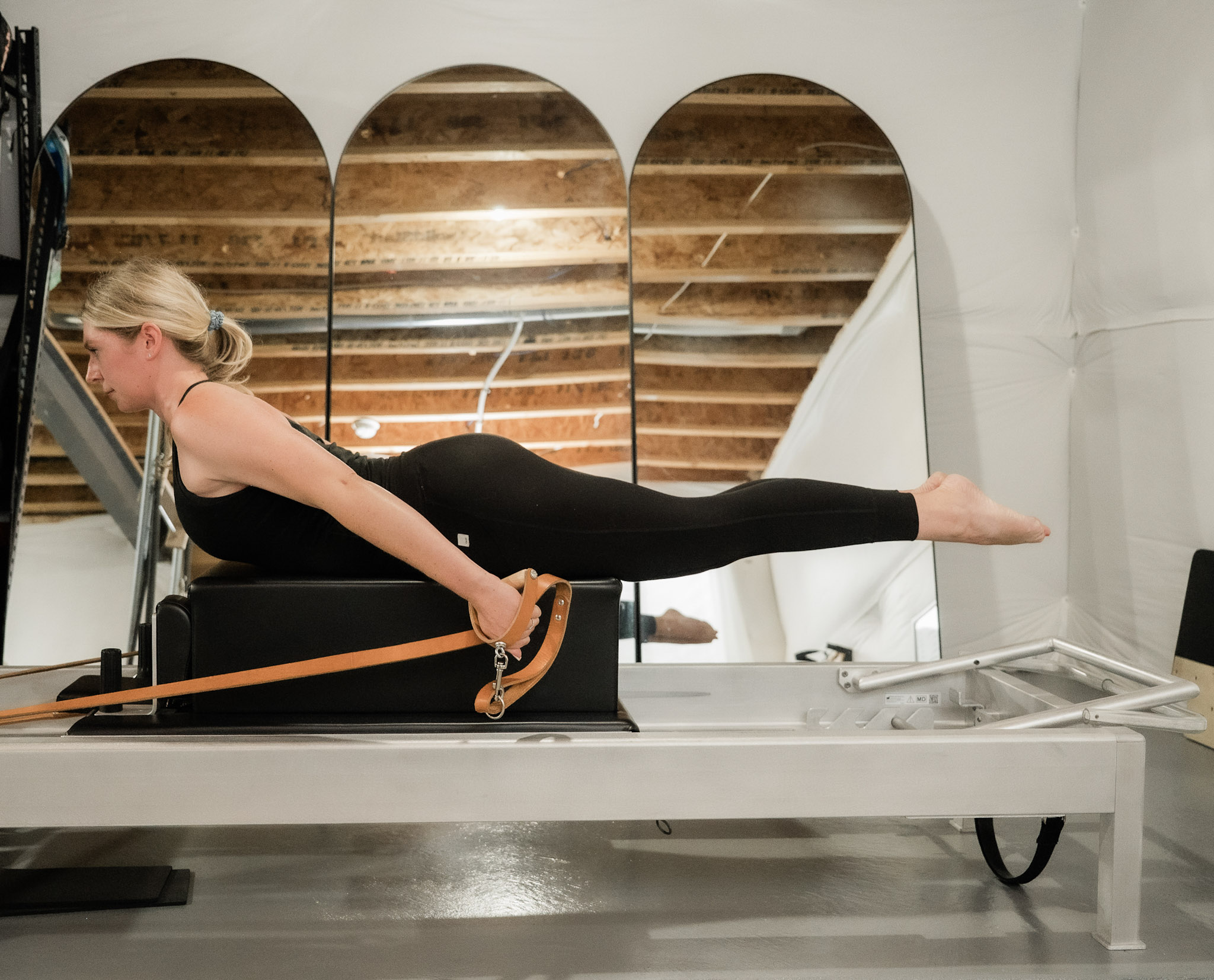
Take the swan exercise. At a glance, it may seem a simple back extension exercise. But the swan can be taken from the mat to the reformer to the cadillac, and also to the ladder barrel, spine corrector, and wunda chair. With each seemingly simple movement, there is always more work to find within the system.
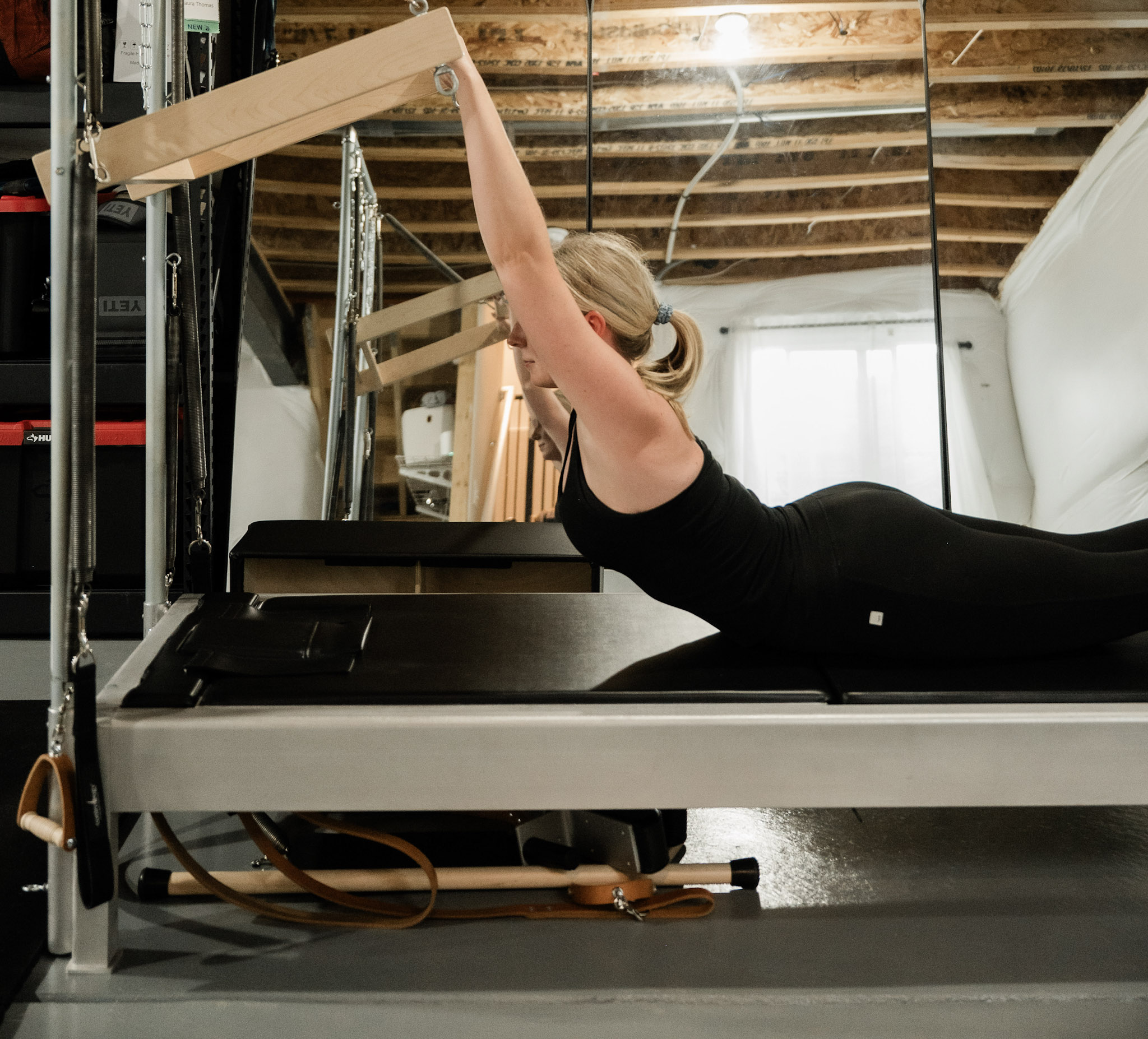
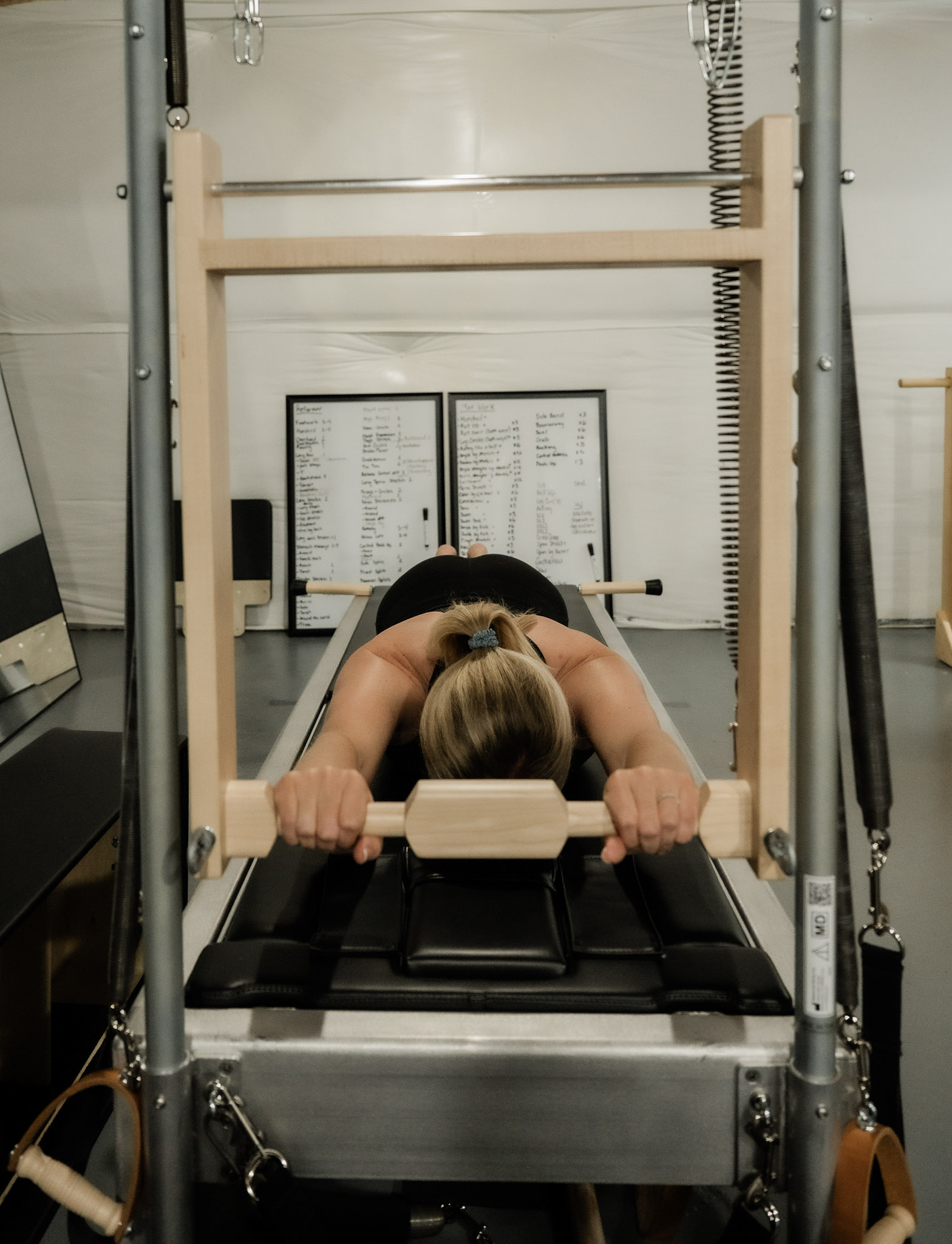
Instructors often choose the piece of equipment that would make the exercise most impactful for the student’s specific needs. You could be introduced to upper back extension while laying over the spine corrector, completing the arm series with one-pound weights. Using the push through bar, you’d then begin to find your core and how to engage it to improve that upper back extension. Reaching your arms from your center and lifting the abdomen to extend your upper back, you not only get out of your lower back, but have also strengthened your center in doing so.
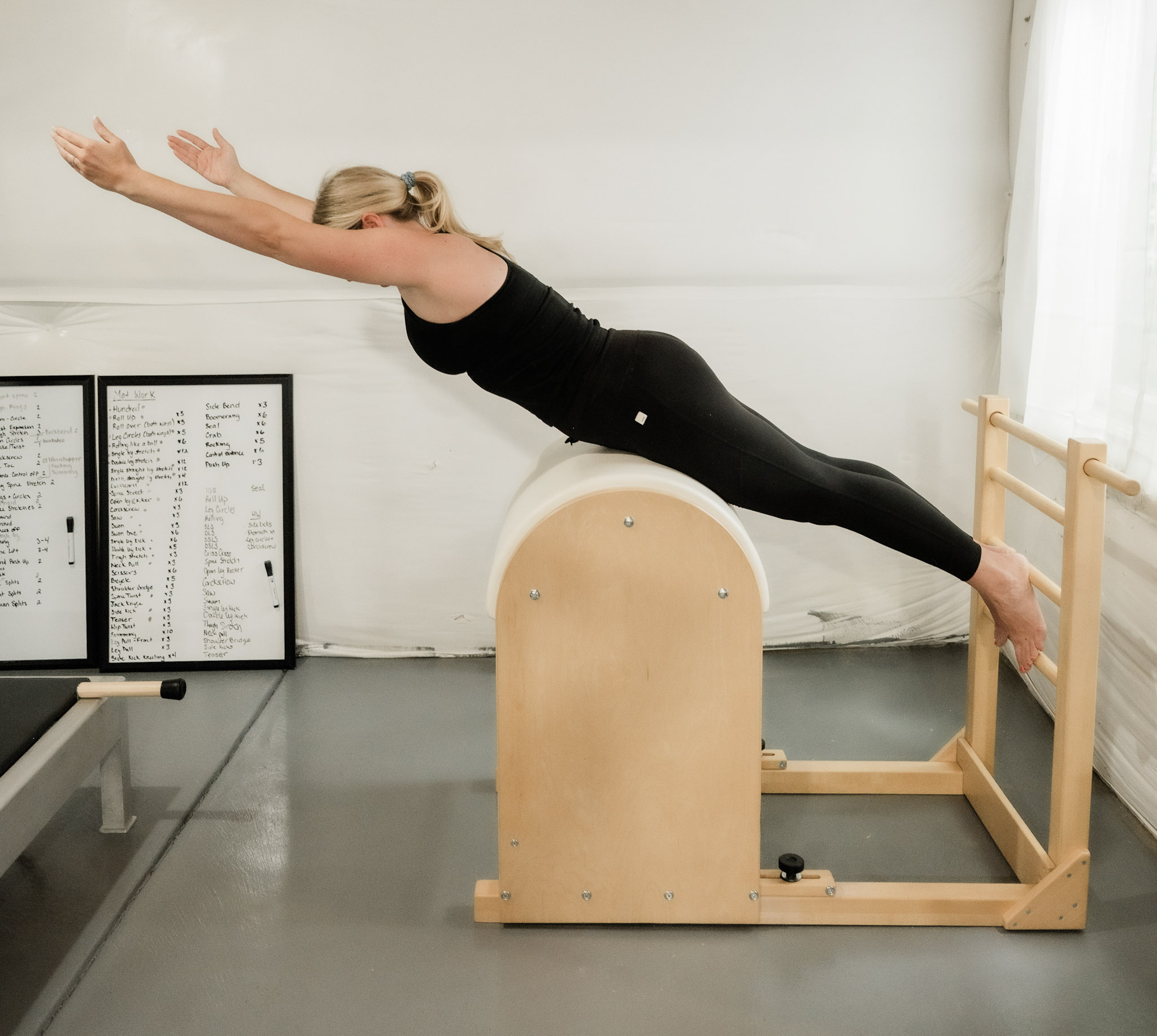
Practicing swan on the ladder barrel, you may discover the reach of your legs into its rungs. You still use core and back strength to lift your stomach and chest off the barrel, but by reaching the legs behind, you also open the lower body. Maybe you start to find a “two-way stretch” as your legs reach into the rungs and arms reach away from your center.
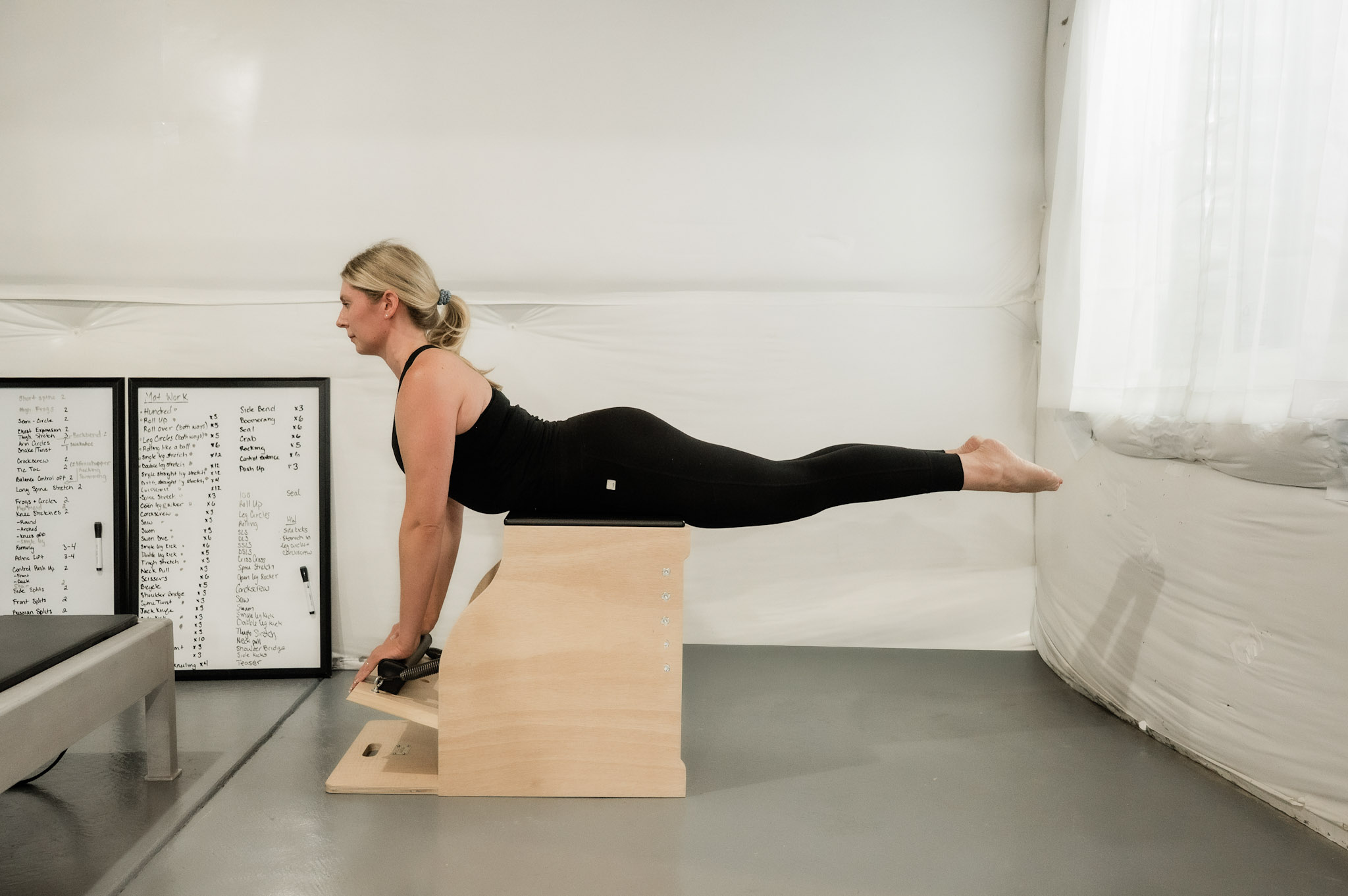
When moving to the wunda chair, you combine these realizations. You push the pedal down and lift the stomach while reaching legs behind you. Because the feedback of the ladder barrel’s rungs is now missing, your legs may start to shake! But now you know the feeling.
Eventually you’re back on the mat, doing the same exercise. Except here you have the least support and feedback from equipment. But you now can bring with you the sensations and learnings from every prior piece of equipment you did this move upon. Everything you learned comes together to execute the swan.
This is what makes Pilates a system, and it’s why a fully equipped studio and comprehensively trained instructor is so important.
Getting Started
Pilates requires repetition. You practice a set of exercises in a particular order, and once the body has mastered those movements you are given a new one to practice. People struggle with accepting that they need to master one exercise before moving on to the next, but that is in part what makes this a practice and a method.
If you’re interested in becoming an instructor, the minimum training is a 500 hour comprehensive certification. No training program is the same, which creates variability in quality of training. This is why mentorship and continued education is a staple in the industry. The certification is just the beginning. It takes time and patience to understand this work deeply. Instructors enhance their knowledge and understanding of the Pilates Method by continuously learning from other classically trained instructors as well as teaching students.
To dive into this practice as an instructor or student, it is best to develop an independent Pilates practice of your own and pair it with private instruction. You don’t need a full studio to begin. All you need is a mat. To learn more about Pilates and build your mat practice, I recommend reading Joseph Pilates’ book, Return to Life. The Contrology Handbook by Sandy Shimoda is also a great resource in understanding the method as a whole.
Classical open studio classes, sometimes called “Joe’s Gym,” can help further your practice. Students of all levels can join and practice their independent routines. The teacher will observe and offer both corrections and challenges. This allows students to develop awareness and independence in a safe and efficient way, and build a community while practicing with others.
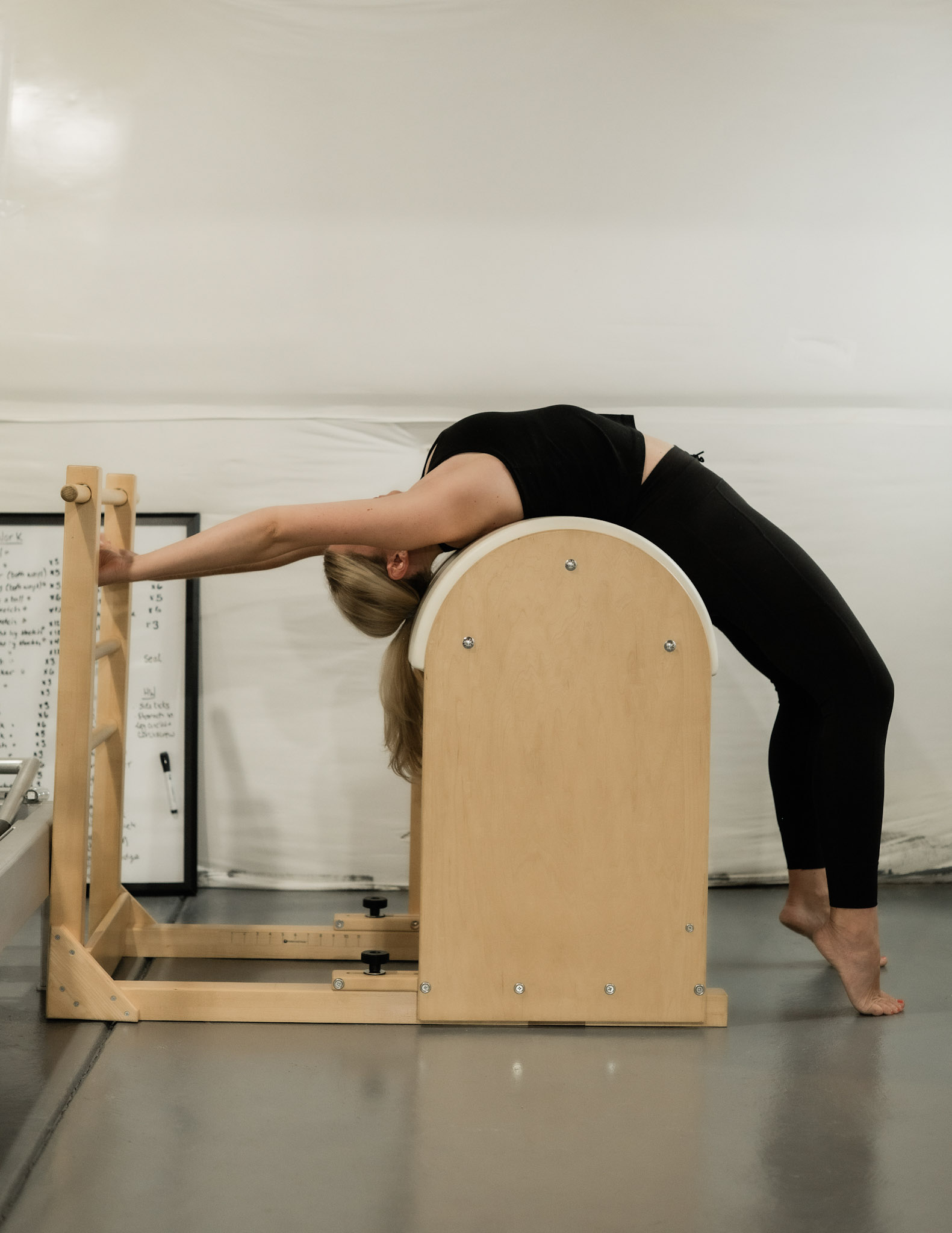
Pilates is not a trademarked term, so anyone can use it to describe their workouts. If studios only offer a group reformer or mat class, it may be a great workout, but it may not be taught in the true, traditional method developed by Joseph Pilates. To experience the full range of what the method has to offer, look for a fully equipped studio and an instructor who has specifically studied in the classical method of Pilates.
About the Author
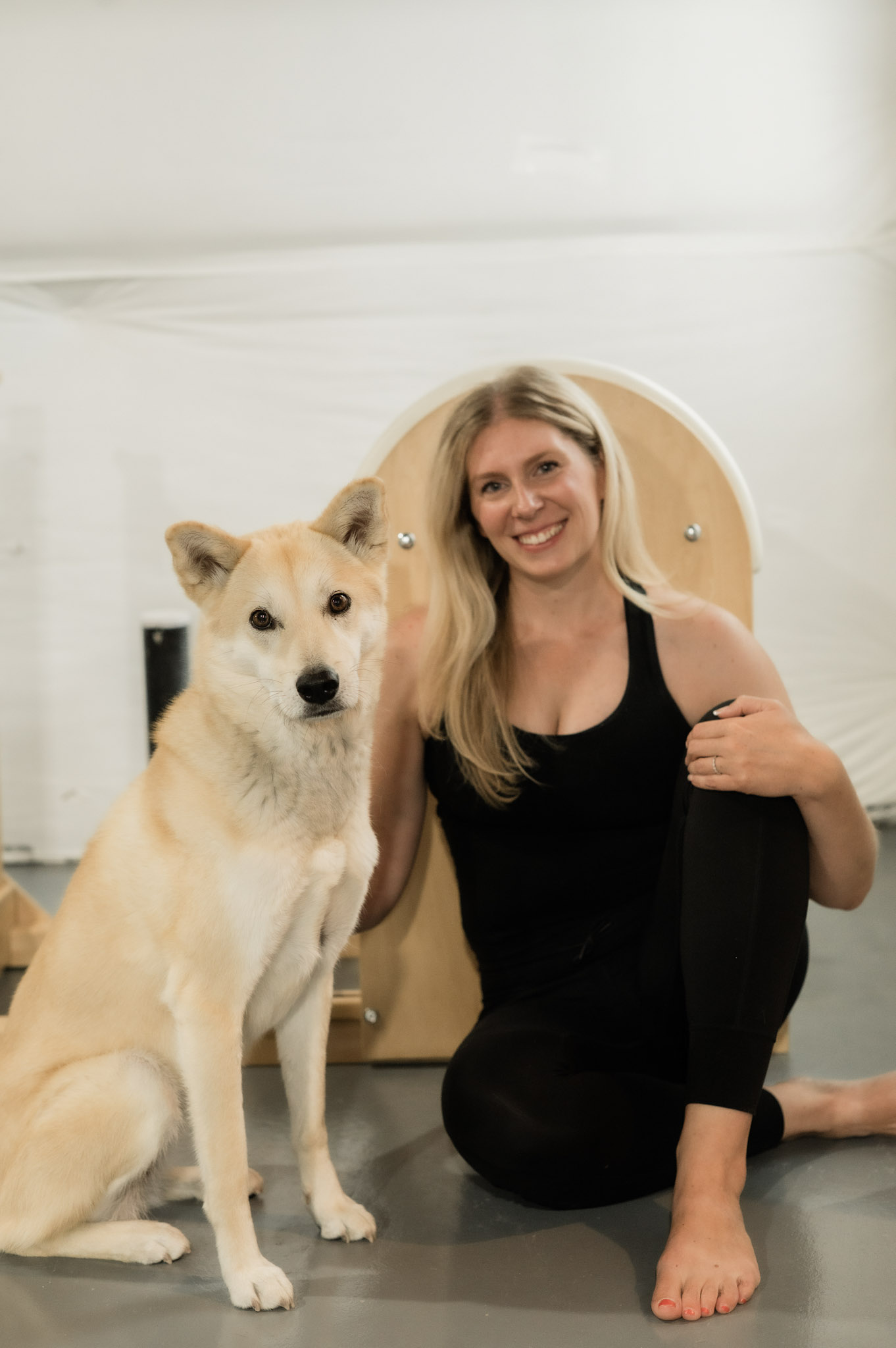
Laura earned her Comprehensive Certification through Balanced Body, and while completing her program sought out private lessons to help better understand the method. At the time, the only fully equipped studio she could find near her happened to be a classical studio owned by Nicole Martin (Ritual Pilates) located in San Diego, CA. Laura continued to train with Nicole while also completing her Certification. Since moving to Colorado, she has continued to train with Nicole, as well as with local instructors Natalie Shook and Raul Rossiter, and online with the staff of Vintage Pilates. You can find Laura on Instagram at @swanpilatesx and visit her home studio for lessons in Erie, CO.
Read more from Laura on her Substack: HERE.
All photography by Ashlee Burke.